
our services
Personalized Tax Preparation and Planning Services
Discover how Derks Financial delivers expert tax preparation and planning services to help you stay ahead, reduce stress, and plan confidently year-round.
Take Control of Your Finances: Year-Round Tax Planning & Preparation Strategy
Tax season can feel overwhelming, especially when you're trying to balance work, family, and managing personal or business finances. Tax rules change, deadlines sneak up, and missing a single item can cost you time and money. At Derks Financial, we know most people don’t want to think about taxes until they absolutely have to, so we’re here to help you stay ahead before it becomes a last-minute scramble.
Working with a professional for tax preparation and planning services takes a major task off your plate. More importantly, it helps uncover ways to make smarter financial decisions throughout the year. If you’ve ever wondered whether you’re paying more in taxes than necessary or skipping out on deductions you qualify for, it may be time to sit down and look at long-term tax strategies. You don’t need to solve it alone.
What Tax Preparation and Planning Really Mean
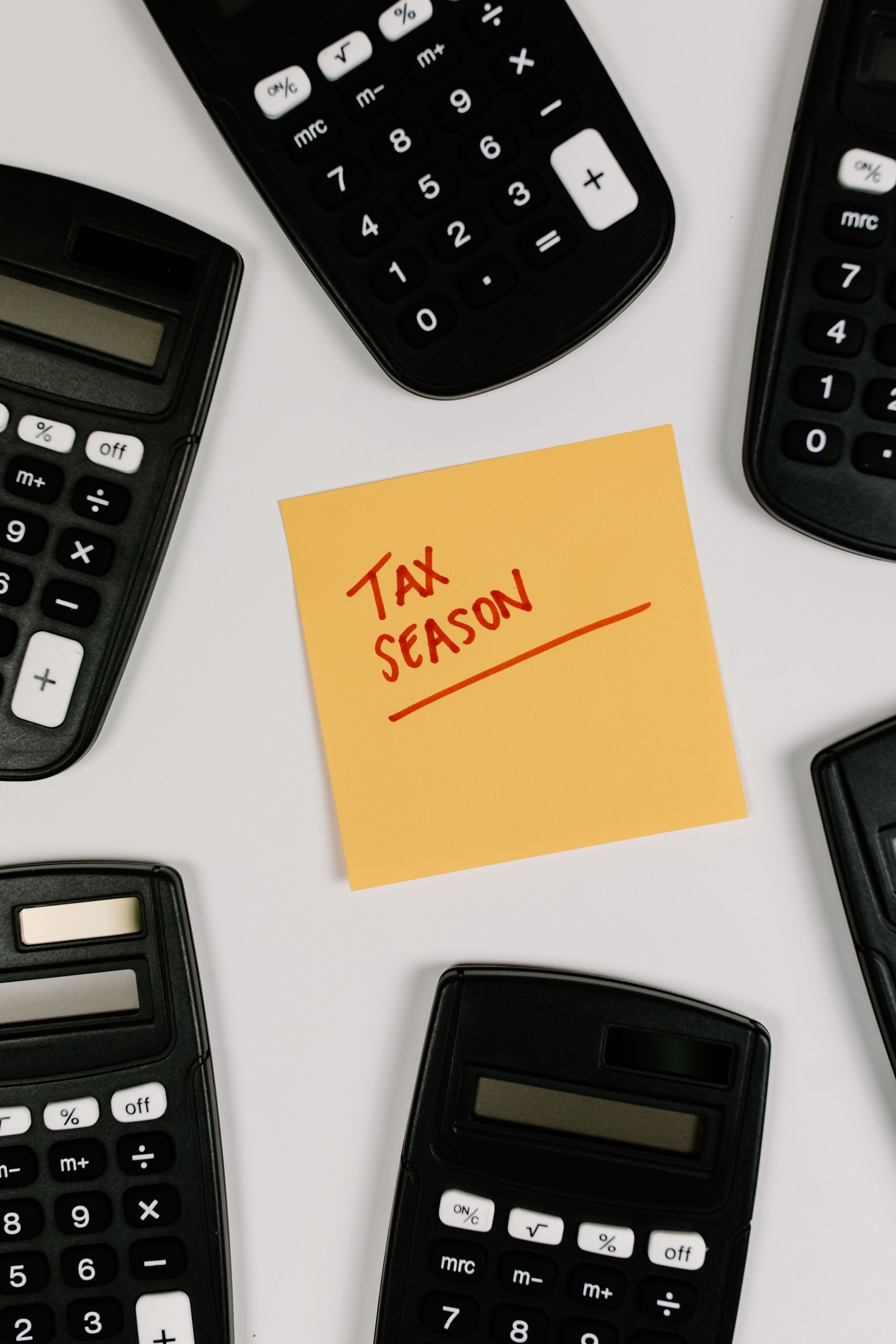
Tax Preparation vs. Tax Planning Explained
Tax preparation and tax planning sound similar but serve different purposes. Preparation is about now, getting your taxes filed accurately and on time. Planning is about the future, building a year-round strategy to reduce what you owe later. When both services are handled together, you save time and potentially money.
Good tax preparation includes gathering all the needed documents, organizing multiple sources of income, handling errors from previous filings, and submitting your returns to federal and state agencies. The process is focused on compliance, minimizing the chance of an audit, and making sure you don’t leave money on the table from overlooked deductions or credits.
Tax planning, on the other hand, looks ahead. Whether you’re a small business owner figuring out quarterly payments or an individual thinking about retirement, planning helps shape how your income and investments will be taxed in the future. For example, if you're expecting a major life change, like the sale of a property or starting a new business, tax planning allows you to prepare for its impact ahead of time instead of reacting after the year ends.
Who Can Benefit From Partnering With Tax Professionals

Nearly everyone can gain something from professional tax help, especially when the process gets more complicated than a standard W-2. Life, as we know, rarely stands still. New jobs, relocations, side businesses, stock options, and family changes each bring new implications for your tax return.
Even something seemingly simple, like a change in marital status or moving to a different state, can affect your filing status and deductions. Without guidance, those shifts can lead to surprises during filing. Having someone who understands the tax code can prevent those small details from turning into expensive mistakes. And it doesn’t just stop at filing; good tax professionals help you prepare for what’s next.
Here are a few types of clients we regularly support:
- Individuals with multiple income streams, whether from freelance work, rental properties, or investments that need proper reporting and planning.
- Small business owners and self-employed professionals who have to juggle expense tracking, estimated payments, and profit forecasting.
- People nearing retirement or already retired who want to protect their savings from unnecessary tax exposure.
- Families who claim credits for dependents, education costs, or childcare, and want to be confident about eligibility.
- Investors planning for major asset sales or stock redemptions who need guidance on minimizing capital gains tax.
What to Expect From Tax Services at Derks Financial
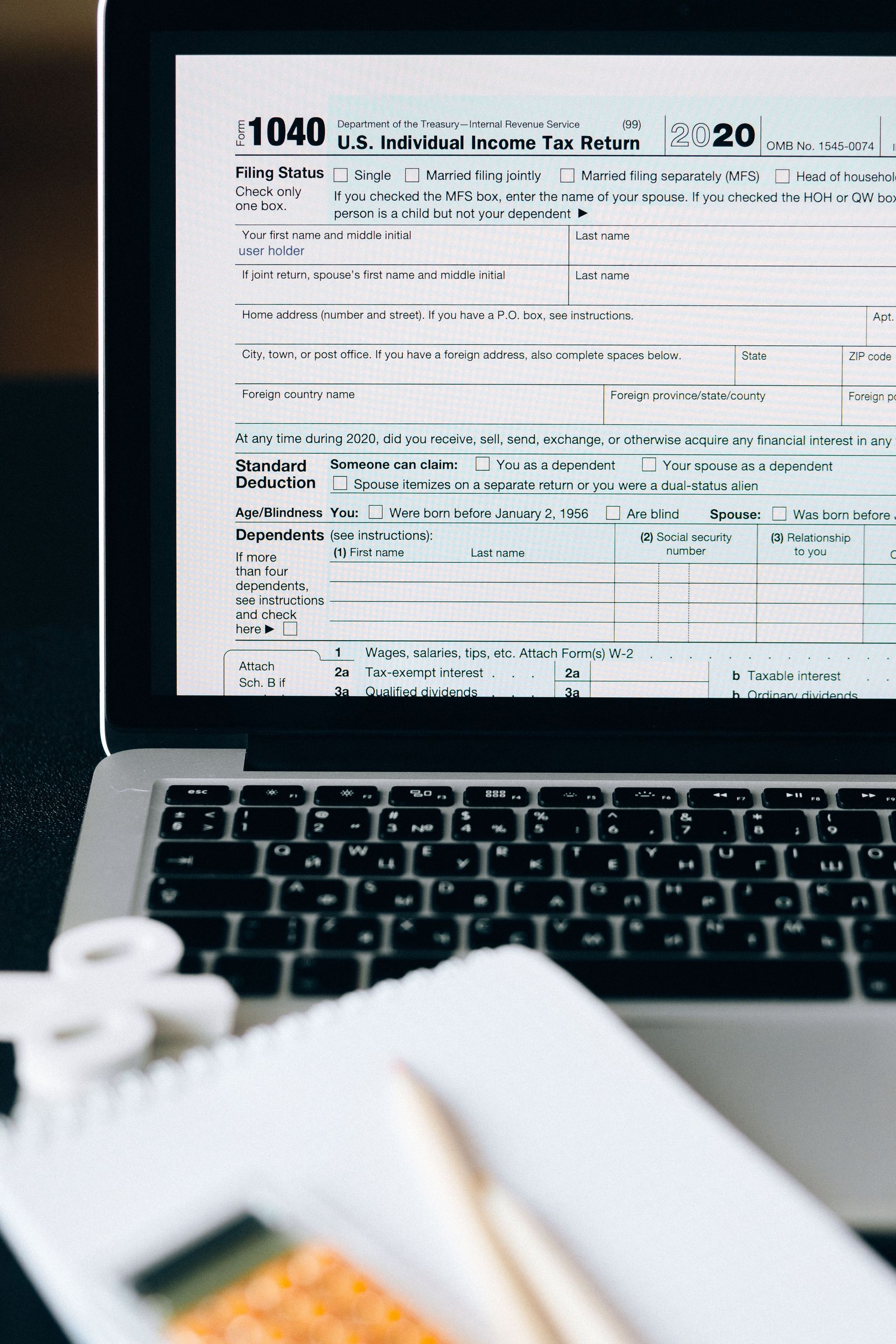
When you work with Derks Financial for tax preparation and planning services, you're getting more than number crunching. You're getting a thoughtful, practical approach that adjusts to your individual or business needs. Whether you’re preparing for year-end filing or setting long-term financial goals, our process is designed to simplify taxes without cutting corners.
We begin with a conversation. That step alone makes a big difference. There's no one-size-fits-all answer when it comes to taxes, so learning about your life and financial situation allows us to tailor a plan that matches where you are now and where you're headed. From there, we organize your financial data, clarify what documentation is needed, and help outline what steps come next, so you’re not left guessing.
Throughout the year, our guidance can include:
- Advising when to adjust withholdings or estimated payments
- Flagging life changes that could impact your taxes, like a job switch or a move
- Looking into retirement savings opportunities that offer tax benefits
- Preparing for quarterly tax deadlines if you're self-employed
- Helping structure large transactions like property sales or investments for better tax outcomes
It's less about cramming everything into the weeks before April and more about maintaining clarity throughout the year. That brings peace of mind come tax time, and it’s easier to manage.
Staying Ahead with a Year-Round Tax Strategy

One major benefit of combining tax preparation with planning is control. When you’re only focused on filing each year, everything feels reactive. Planning changes that. It helps you see what’s coming, so you can make smart decisions instead of just trying to stay in compliance.
Let’s say you're thinking about expanding your business or investing in equipment. Tax planning can help you understand what those changes might mean for your bottom line, and if there are deductible expenses or credits available to make the most of that move. If you're an individual, maybe you recently started freelancing on the side. Knowing what income to track, how to organize your expenses, and when to pay estimated taxes can keep you on the right track and prevent surprises.
Plan Smarter This Tax Season
A proactive approach keeps your finances healthy and reduces the risk of scrambling for last-minute solutions. That strategy not only reduces stress; it gives you more time to think about broader financial goals beyond April’s deadlines. It's about building a process that works with your life rather than adds to your workload.
Finances can feel complicated, especially when you're dealing with tax forms, shifting income, or year-to-year rule changes. That’s where steady, reliable guidance really matters. Whether you’re managing a single paycheck, running a growing business, or trying to make the most of retirement savings, knowing that someone is walking through it with you makes the process more manageable.
Derks Financial is here to make taxes less of a burden and more of an opportunity, to move your financial story forward in a way that feels less daunting and more secure. Whether you're looking for help with this year's returns or building a plan for next year and beyond, we're here when you need us.
Common Questions
What are the best tax-saving strategies for small business owners?
See DetailsCommon tax-saving strategies include maximizing eligible business deductions, choosing the right business structure, contributing to retirement plans, reviewing depreciation opportunities, and planning the timing of certain income and expenses. The best approach depends on your business, income, and long-term goals. Derks Financial works with small business owners to identify tax planning opportunities and develop strategies that make sense for their specific situation.
How can I reduce my small business taxes legally?
Reducing business taxes legally starts with understanding which deductions, credits, and tax elections your business qualifies for. Opportunities may include retirement contributions, equipment deductions, employee benefits, and selecting a tax-efficient business structure. Proper bookkeeping and proactive planning are essential to making the most of these opportunities while staying compliant with IRS requirements.
Should my small business be an LLC or S corporation for tax purposes?
Contact UsThe right tax structure depends on your business income, ownership, payroll needs, and long-term goals. An LLC is a legal business structure that can be taxed in different ways, while an S corporation is a federal tax classification available to eligible businesses. An S corporation election may offer employment tax advantages in certain situations, but it also comes with payroll requirements, additional filings, and administrative costs. A tax advisor can help evaluate whether an S corporation election makes financial sense for your business.
How can I avoid a large tax bill at the end of the year?
One of the best ways to avoid unexpected tax bills is to review your business income and estimated tax obligations throughout the year. Regular financial reporting, accurate bookkeeping, and quarterly tax projections can help you set aside enough money and make adjustments before year-end. Proactive tax planning gives business owners a clearer picture of what they may owe and helps prevent costly surprises.
What are quarterly estimated taxes, and does my business need to pay them?
Quarterly estimated taxes are payments made throughout the year toward income taxes and, when applicable, self-employment taxes. Business owners who expect to owe taxes not covered by withholding may need to make estimated payments to avoid penalties. The requirements depend on your income, business structure, and other factors. A tax advisor can help calculate appropriate payments and keep your business on track.
How often should small business owners meet with a tax advisor?
Reach OutSmall business owners should review their tax situation at least annually, but quarterly planning meetings can be especially valuable for growing businesses. Regular reviews help identify changes in profitability, estimate upcoming tax payments, and uncover potential savings before year-end. Working with a tax advisor throughout the year allows you to make decisions proactively rather than waiting until tax season.
When should I start year-end tax planning for my small business?
Ideally, tax planning should happen throughout the year rather than waiting until December. Reviewing your financial position during the third and fourth quarters gives you time to evaluate eligible deductions, retirement contributions, equipment purchases, and other planning opportunities. Some tax-saving decisions must be made before year-end, so starting early gives your business more flexibility.
Transform Your Tax Experience Today
Connect with Derks Financial for tailored support
If you're ready to take the stress out of filing and start looking ahead with confidence, now is a good time to make a move. Explore how Derks Financial can support your goals with full-service
tax preparation and planning services, and schedule a time to talk with our team today.
Contact Us
We've received your email - thank you. We will be in touch with you to discuss how we can support your financial and accounting needs.
Oops, there was an error sending your message. Please try again.